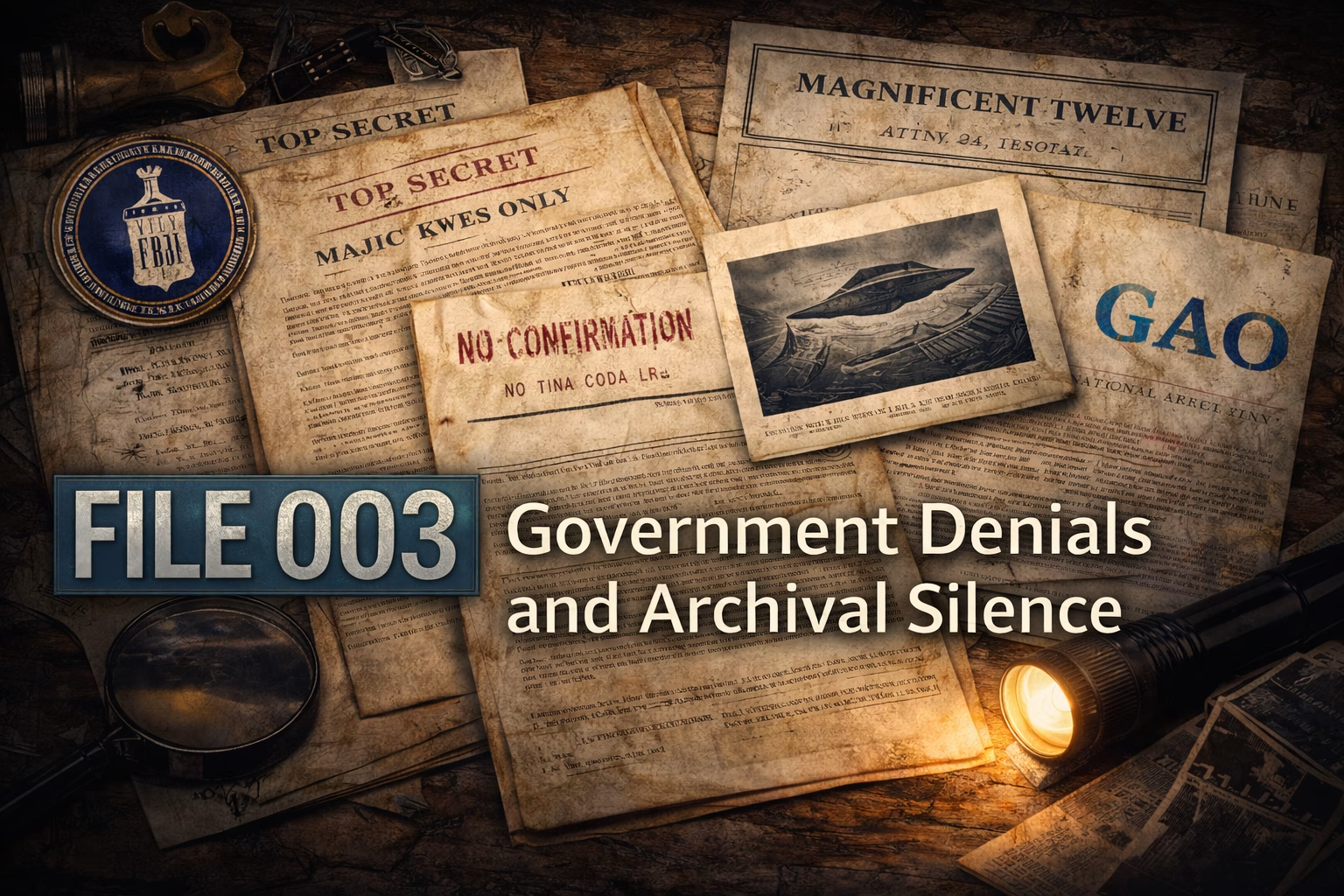
Majestic 12 Investigation (FILE 003): FBI, GAO, and National Archives Findings
The Majestic 12 Files — FILE 003
Government Denials and Archival Silence: What Institutions Actually Said (and Why That Still Doesn’t End the Debate)
Case Summary
The FBI Vault notes an Air Force investigation determined a key MJ-12 document was fake. FBI+1
A GAO review reported no evidence MJ-12 papers were authentic executive-branch classified documents. Government Accountability Office+1
The National Archives reports extensive searches were negative for corroborating MJ-12 records. National Archives
Yet MJ-12 persists due to the logic of compartmentalization and modern testimony about restricted programs.
What Is Known
1) FBI: “An Air Force investigation determined the document to be a fake”
The FBI’s published Majestic 12 entry states that in 1988 FBI offices received versions of an “Operation Majestic-12” memo and that an Air Force investigation determined the document to be a fake. FBI+1
This is one of the clearest official statements addressing MJ-12’s documentary authenticity.
2) GAO: no evidence the MJ-12 material was created as genuine executive-branch documents
The GAO’s 1995 document—produced in response to a congressional request—summarized that relevant agencies found no records relating to Majestic 12 and concluded there is no evidence the written material constitutes actual executive-branch documents. Government Accountability Office+1
3) National Archives: broad searches produced negative results
The National Archives reports conducting extensive searches and states those searches were negative except for the noted Cutler memo reference, which still does not define MJ-12. National Archives
What Is Disputed
Whether “no evidence found” is equivalent to “no program existed.”
Whether MJ-12-related records might exist under other names or in compartmented channels not indexed traditionally.
Whether disinformation campaigns could produce official “closure” without addressing underlying realities.
Why It Matters
Institutional denials matter because they define the documentary case: by public record standards, MJ-12 is not validated.
But denials do not fully resolve the structural case: can restricted programs exist with minimal accessible paperwork and limited oversight? Modern UAP controversy suggests this remains a live question.
Editorial Assessment
FILE 003 establishes the hard boundary: official record does not authenticate MJ-12. FBI+2Government Accountability Office+2
However, the debate continues because official conclusions about documents do not necessarily answer whether something programmatic existed behind the scenes—especially if later whistleblowers describe similar dynamics without using the MJ-12 label.



latest video



news via inbox
Subscribe to our Cosmic newsletter to get notified when we have new articles.