

Megalithic Structures Found All Over the World
Across nearly every continent on Earth, massive stone structures stand as silent witnesses to humanity’s deep past. Some are older than the pyramids. Others were built without metal tools, wheels, or written language.
Yet they share striking similarities.
These are megalithic structures—ancient constructions made from enormous stones, often weighing tens or even hundreds of tons.
How did ancient people move them?
Why were they built?
And why do they appear all over the world?
Let’s explore the global pattern behind one of archaeology’s greatest mysteries—with maps, examples, and context.
What Is a Megalithic Structure?
The word megalith comes from Greek:
-
Mega = large
-
Lithos = stone
Megalithic structures are monuments built using large stones, usually without mortar. Most were constructed during the Neolithic and Bronze Age, long before modern engineering.
They include:
-
Stone circles
-
Dolmens and tombs
-
Standing stones (menhirs)
-
Stone temples and platforms
What makes them remarkable is not just their size—but their precision, alignment, and global distribution.
A Global Phenomenon
One of the most puzzling aspects of megalithic architecture is that it appears in cultures that had no known contact with one another.
Below is a regional overview showing just how widespread these structures are.
Europe: The Megalithic Heartland
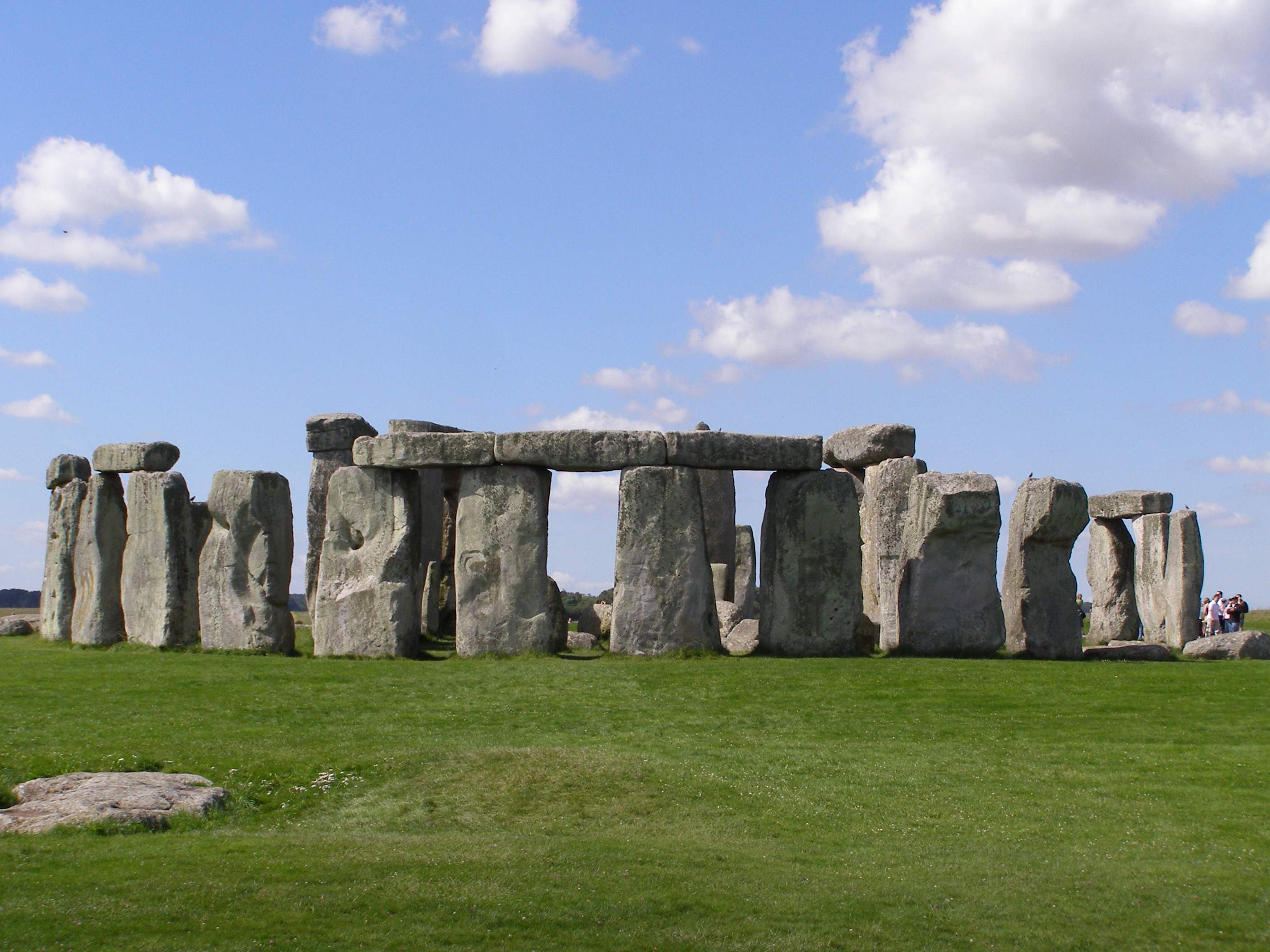

Europe contains thousands of megalithic sites, many dating back more than 5,000 years.
Common features:
-
Stone circles aligned with solstices
-
Burial chambers and passage graves
-
Carefully placed stones weighing dozens of tons
Many of these sites show astronomical alignment, suggesting their builders possessed advanced observational knowledge of the sky.
Africa: Stone and Sky


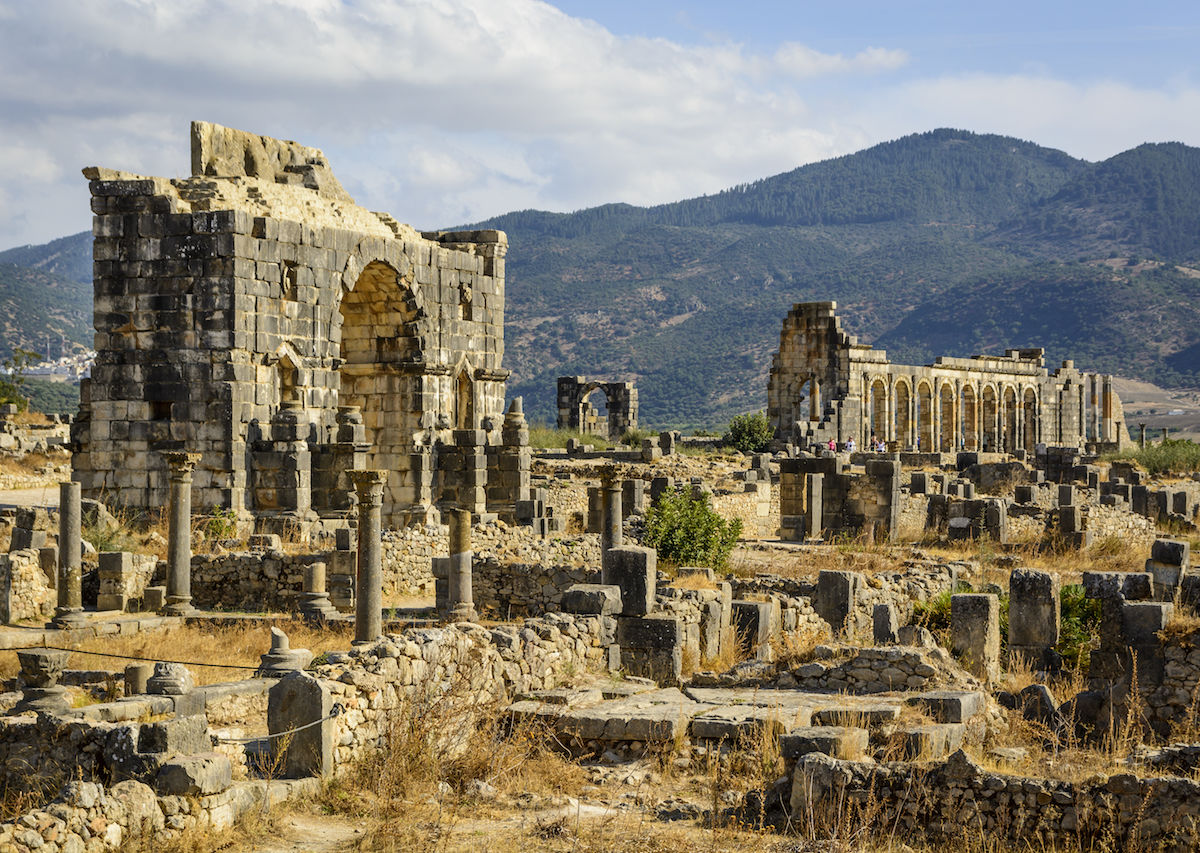
Africa is home to some of the oldest megalithic constructions on Earth.
Notable characteristics:
-
Circular stone enclosures
-
Early astronomical alignments
-
Sophisticated planning and layout
Some African megalithic sites predate Stonehenge by thousands of years, challenging traditional timelines of early civilization.
Asia: Sacred Stone Landscapes

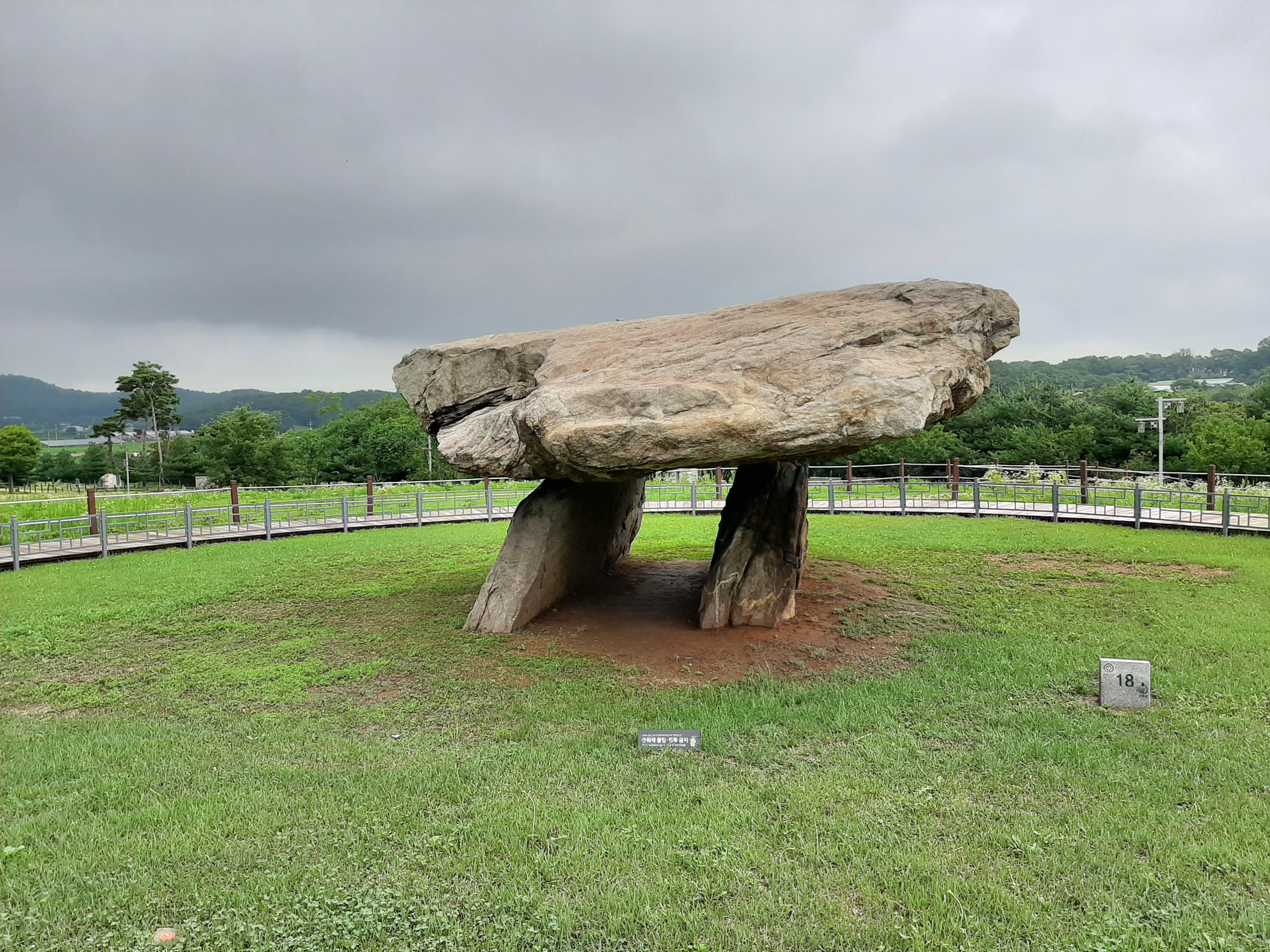
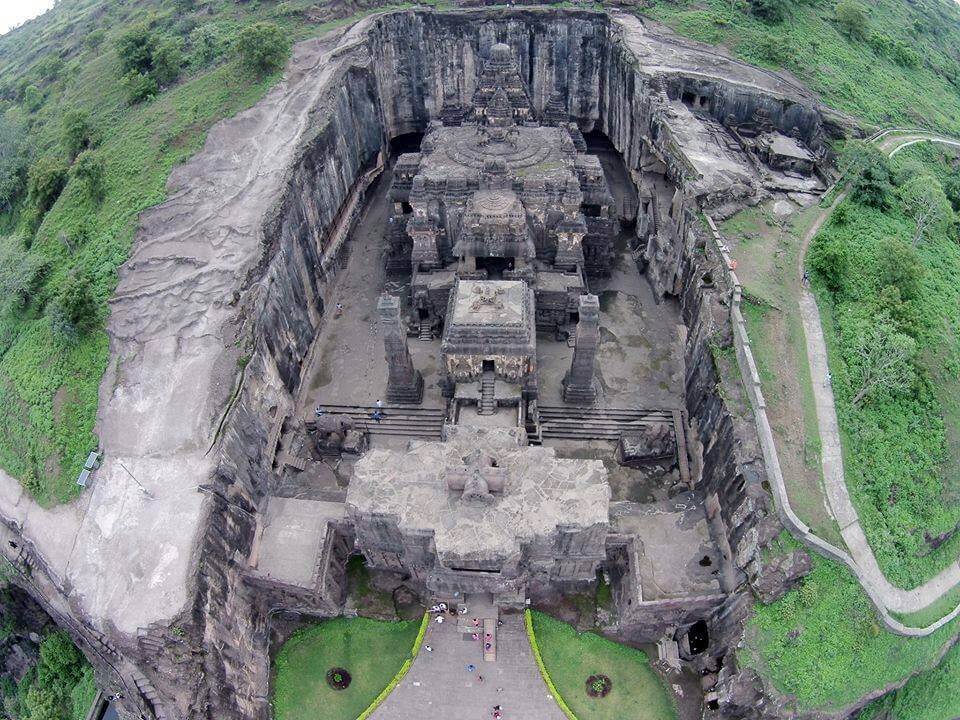
Asia hosts an enormous variety of megalithic traditions, many still poorly studied.
Highlights include:
-
Terraced stone platforms
-
Dolmens used for ritual and burial
-
Entire hills shaped or modified with stone
In some regions, megalithic building traditions continued into recorded history, blurring the line between prehistory and civilization.
The Americas: Engineering Without Metal

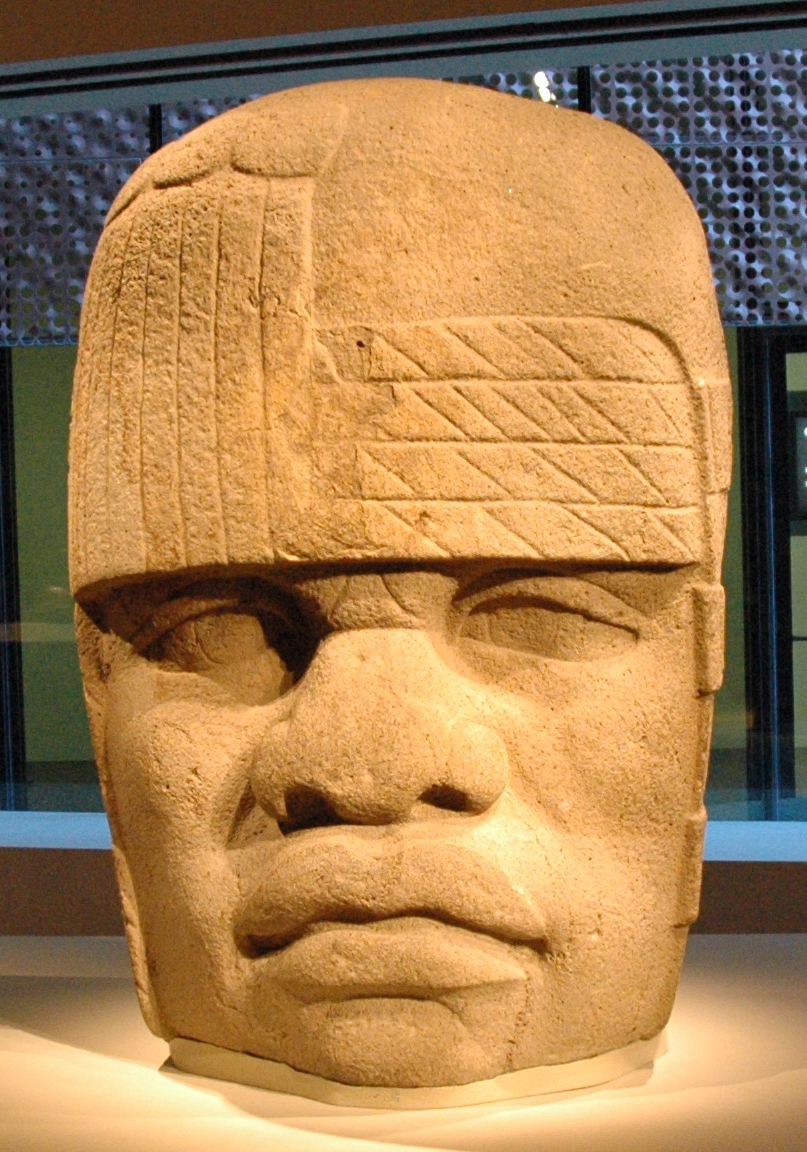

Across North and South America, massive stone architecture appears with astonishing precision.
Key traits:
-
Perfectly fitted stones without mortar
-
Earthquake-resistant construction
-
Monumental scale and ceremonial design
Some stones were transported over vast distances, raising questions about logistics, organization, and technology.
Oceania: Stone and Sea

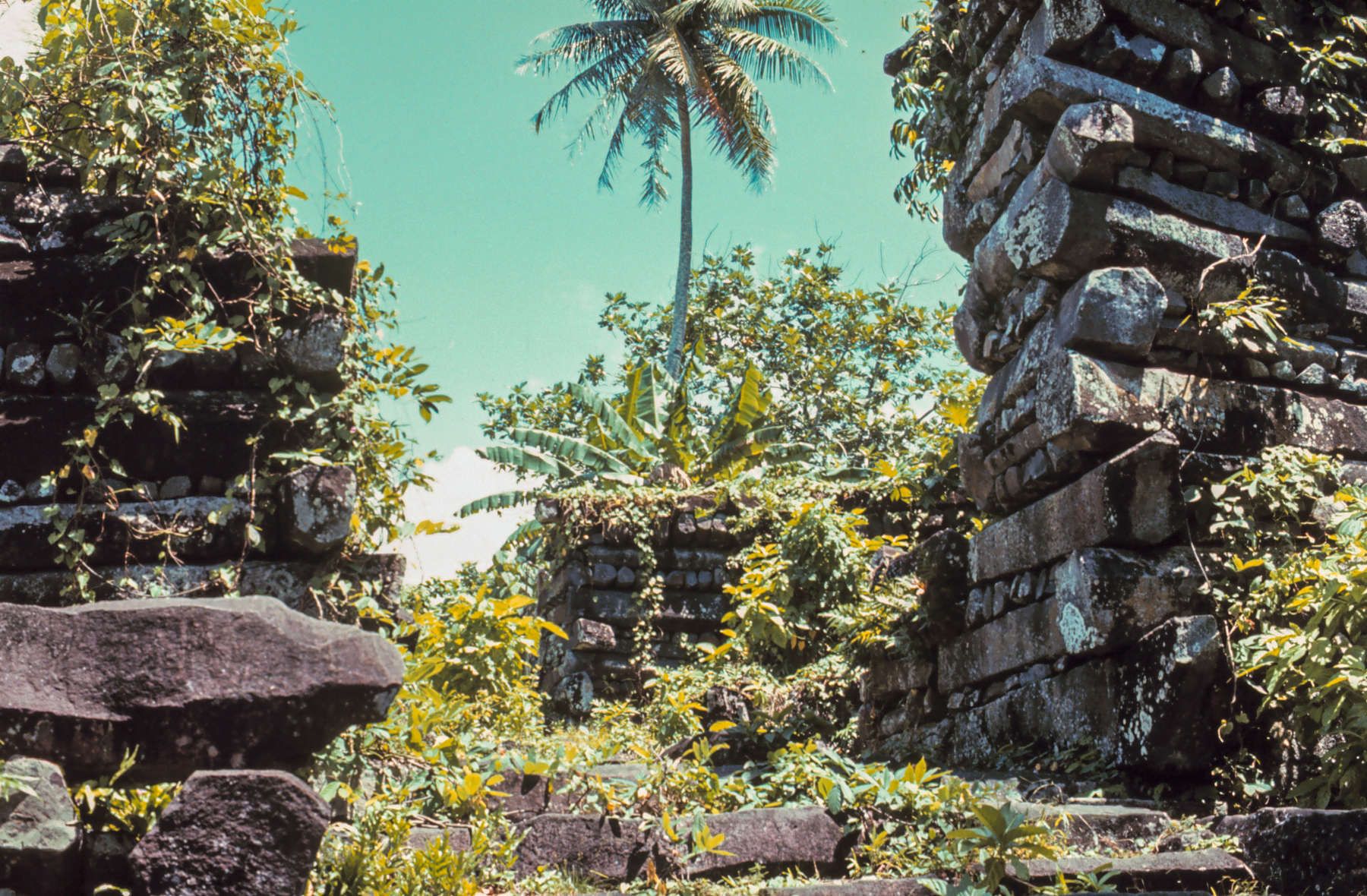
Unique features:
-
Island-based stone complexes
-
Massive statues and platforms
-
Construction in challenging environments
These structures suggest complex societies capable of long-term planning—even in remote locations.
Patterns That Raise Big Questions
Despite vast geographic separation, many megalithic sites share common traits:
-
Precise stone cutting and placement
-
Alignment with solar, lunar, or stellar events
-
Use of similar construction principles
-
Placement near water, fault lines, or elevated terrain
These similarities raise an uncomfortable question:
Did ancient cultures independently rediscover the same knowledge—or did something connect them?
Mainstream archaeology favors independent development. Others argue that we may be underestimating the sophistication of ancient societies.
Why Were Megalithic Structures Built?
No single explanation fits all sites, but leading theories include:
-
Burial and ancestor worship
-
Astronomical observatories
-
Ritual or ceremonial centers
-
Social or territorial markers
It is possible that megalithic structures served multiple purposes simultaneously—spiritual, scientific, and social.
A Mystery Still Standing
Thousands of megalithic structures remain unexplored, eroded, or buried.
What is clear is this:
Ancient humans were far more capable, organized, and knowledgeable than we often assume.
These stones are not just ruins—they are messages from a forgotten past, still waiting to be fully understood.


latest video

news via inbox
Subscribe to our Cosmic newsletter to get notified when we have new articles.


