GOMX-5 Puts a Small Satellite’s First 48 Hours in the Spotlight
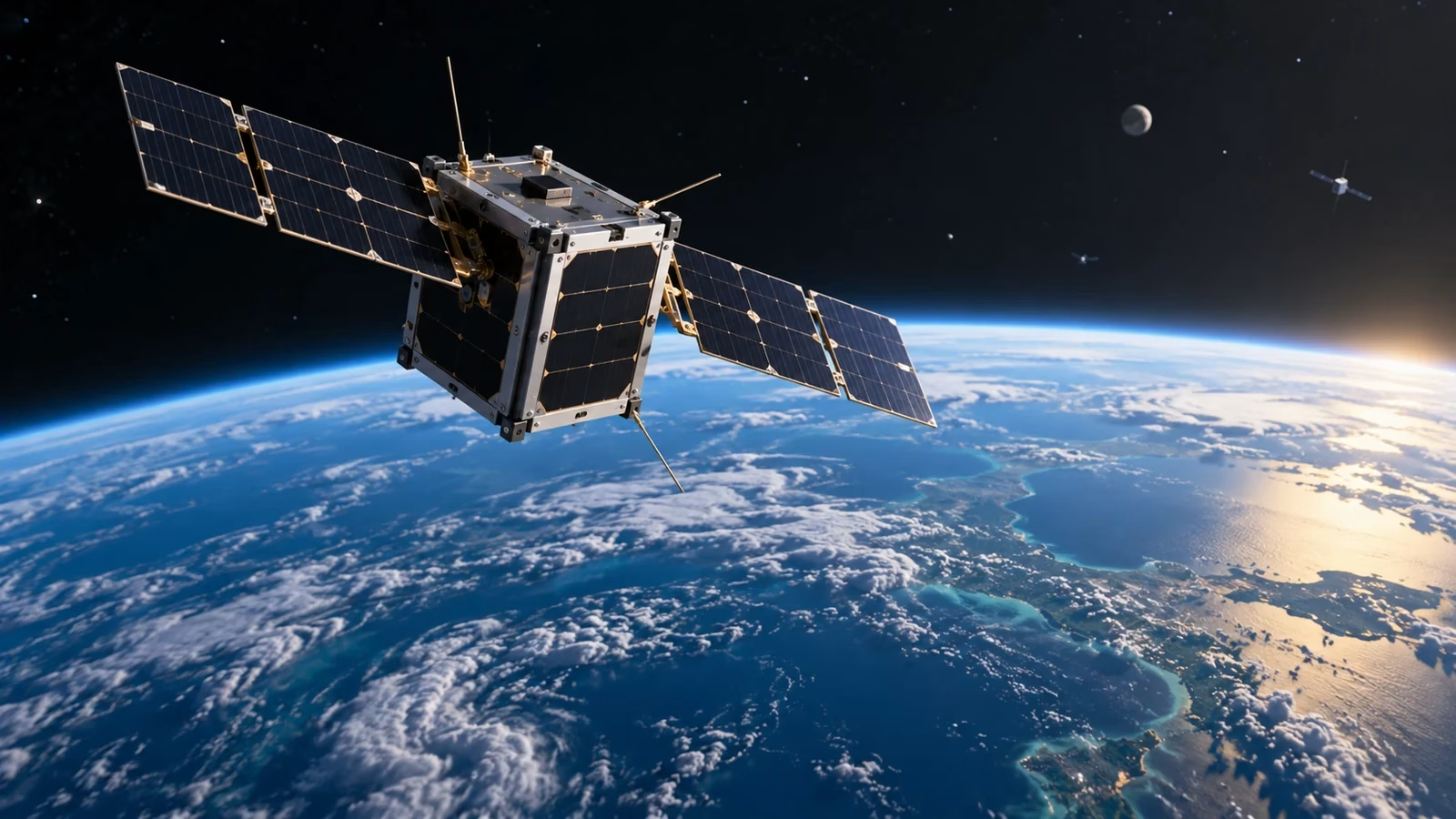
Feature image: AI-generated editorial illustration; not an observation or verified reconstruction.
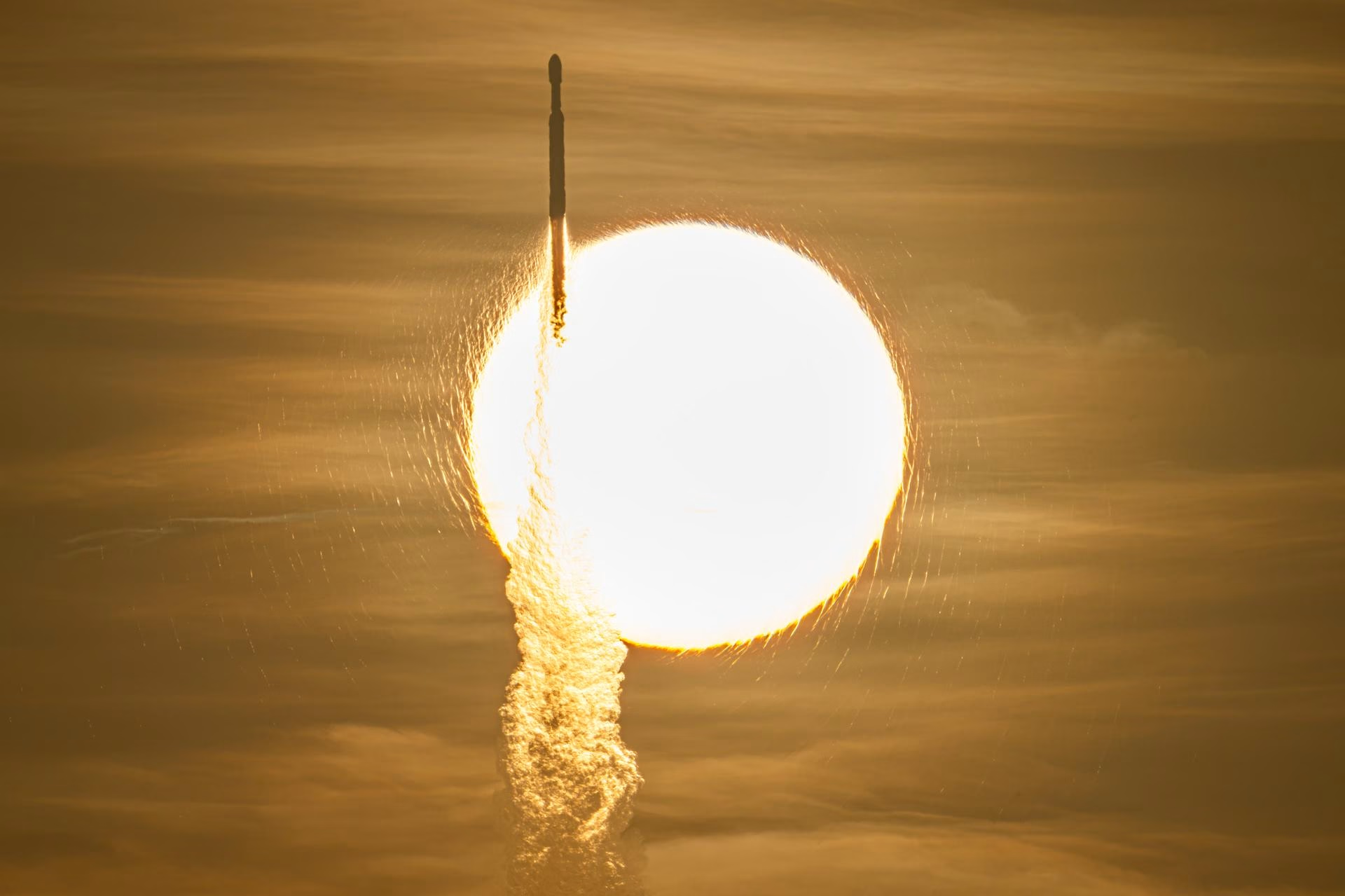
The GOMX-5 satellite has a practical ambition: become ready to move out of trouble soon after launch. The ESA-backed technology demonstrator launched on 1 October 2026, with a goal of commissioning its propulsion system within 48 hours.
ESA’s launch announcement describes a largely automated commissioning procedure developed by GOMSpace. The aim is to shorten the time between deployment and readiness of critical systems. The announcement sets out that objective; it does not, by itself, confirm that every test succeeded.
Why the GOMX-5 satellite needs a quick start
A satellite has work to do before it can begin routine operations. Its systems need to be checked, and controllers need confidence that commands will produce the expected response. For a spacecraft that may need to avoid another object, propulsion readiness matters early.
GOMX-5 makes that transition part of the experiment. Instead of treating commissioning as a quiet interval before the interesting work, the mission tests how efficiently the spacecraft can become operational.

What collision avoidance can achieve
Collision avoidance changes a spacecraft’s predicted path so it does not meet a tracked object at the same place and time. ESA’s space-debris FAQ explains that operators assess conjunction risks and plan manoeuvres when the risk warrants action.
That process depends on knowing enough about the objects and their orbits. A propulsion system is one part of the answer, alongside tracking, prediction and operational decisions.
The wider concern is that collisions create fragments capable of causing further collisions. ESA’s 2026 space-environment material describes why preventing new debris and disposing of spacecraft responsibly remain necessary even as avoidance methods improve.
More than one experiment on board
GOMX-5 also carries new technology involving antennas, radios and onboard computing. Other demonstrations include a tracking solar panel and a maritime-awareness payload. These are opportunities to see whether hardware performs in space as intended.
That is the value of a demonstrator. A successful launch gets equipment to the test environment; the operating results establish what it can do there.
What should count as success?
The next useful evidence is operational: how commissioning went, whether propulsion became available on the intended timescale, and what the payload tests reveal. Those results should be reported separately from the mission’s ambitions.
Small satellites rarely receive the attention given to planetary probes. Yet the procedures they test can matter to the daily business of keeping spacecraft useful—and keeping their orbits usable.
Continue exploring
Another spacecraft preparing for operations
Sources and further reading



latest video



news via inbox
Subscribe to our Cosmic newsletter to get notified when we have new articles.